2026 Reference Edition
Find your allergy nasal spray.
- Sprays covered: Ten OTC and Rx allergy nasal sprays, evidence-tiered against the primary literature.
- Evidence-tier tagging: Every claim labeled by tier — meta-analysis, RCT, guideline, FDA label, cohort, expert.
- Primary-source citations: Linked to FDA DailyMed, PubMed, AAAAI/ACAAI guidelines, and MotherToBaby.
Editor's picks · Spring 2026
Our picks for 2026
Our top 3 options, ranked by clinical evidence, availability, ease of use, and reviewer consensus.
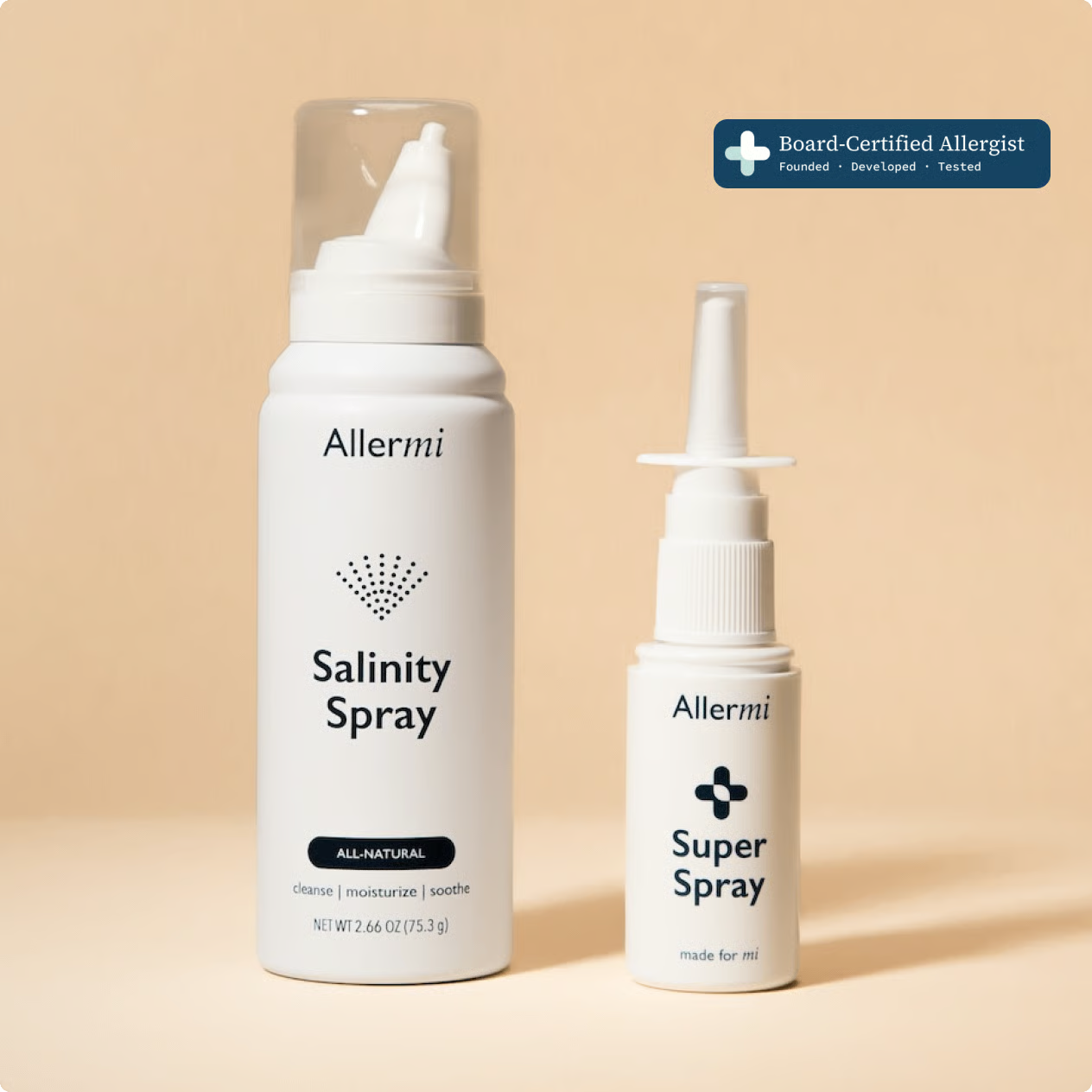
#1 Editor's Pick
Allermi
- Custom compounded nasal spray for your specific symptoms
- Up to 4 active ingredients — one bottle covers congestion, sneezing, runny nose, and more
- 100% online, prescribed by an allergist
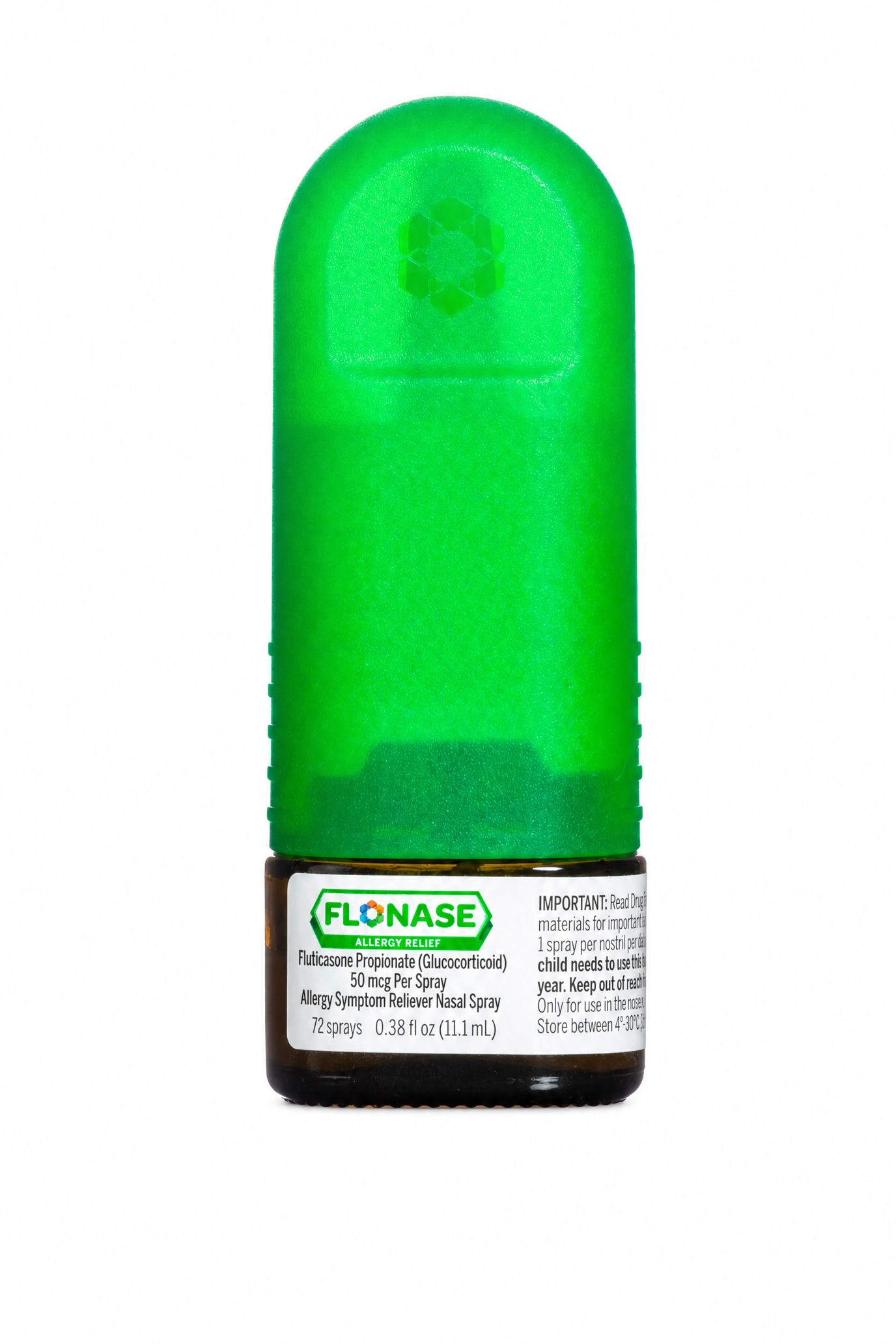
Best OTC Overall
Flonase Allergy Relief
- Only OTC spray FDA-cleared for treating itchy, watery eyes
- Safe for daily, year-round use — minimal absorption into the bloodstream due to low systemic bioavailability (~0.5%)
- No prescription needed, available everywhere
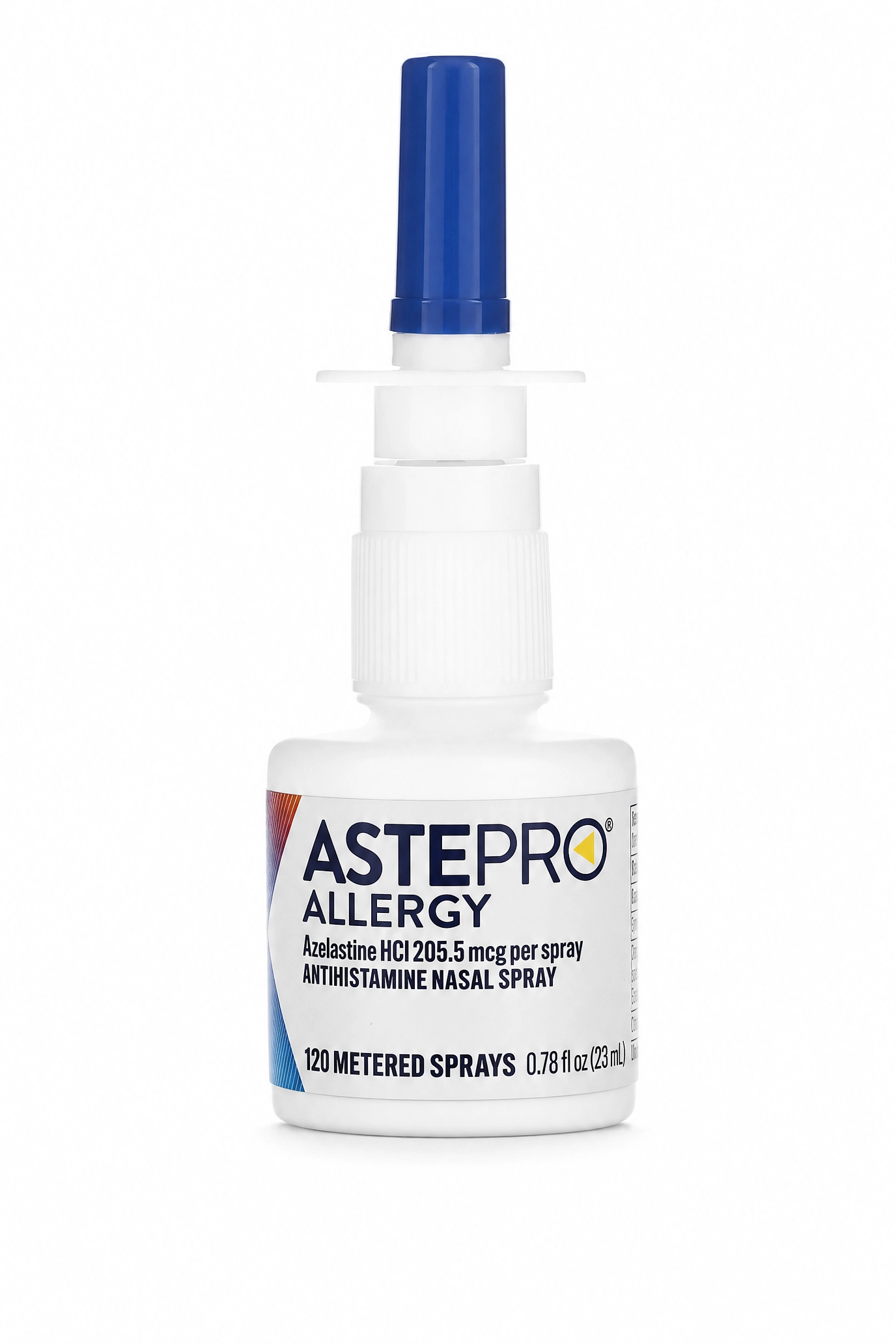
Best OTC Fast Relief
Astepro
- Works in as little as 15 minutes — good for on-the-spot relief
- Targets sneezing, itching, and runny nose
- No prescription needed, first OTC antihistamine nasal spray
What Kinds of Nasal Sprays Are Out There?
Nasal sprays are one of the most effective ways to manage allergy symptoms. Applied directly where symptoms start, they work faster and with fewer systemic side effects than most oral medications. Most people are familiar with OTC options like Flonase or Nasacort, but the range of available sprays is broader than many realize.
Top providers now offer prescription-grade and even fully personalized compounded formulas — prescribed online by an allergist and tailored to your specific symptom profile.
Different sprays work through different mechanisms: some reduce inflammation, some block histamine, some target congestion directly, and some combine multiple approaches in a single bottle. Understanding which type addresses your symptoms is the first step to finding one that actually works.
Most leading sprays are safe for daily, long-term use — but the right choice depends on your symptoms, age, health history, and whether you need an OTC option or something more targeted.
The full library
Browse our reviews
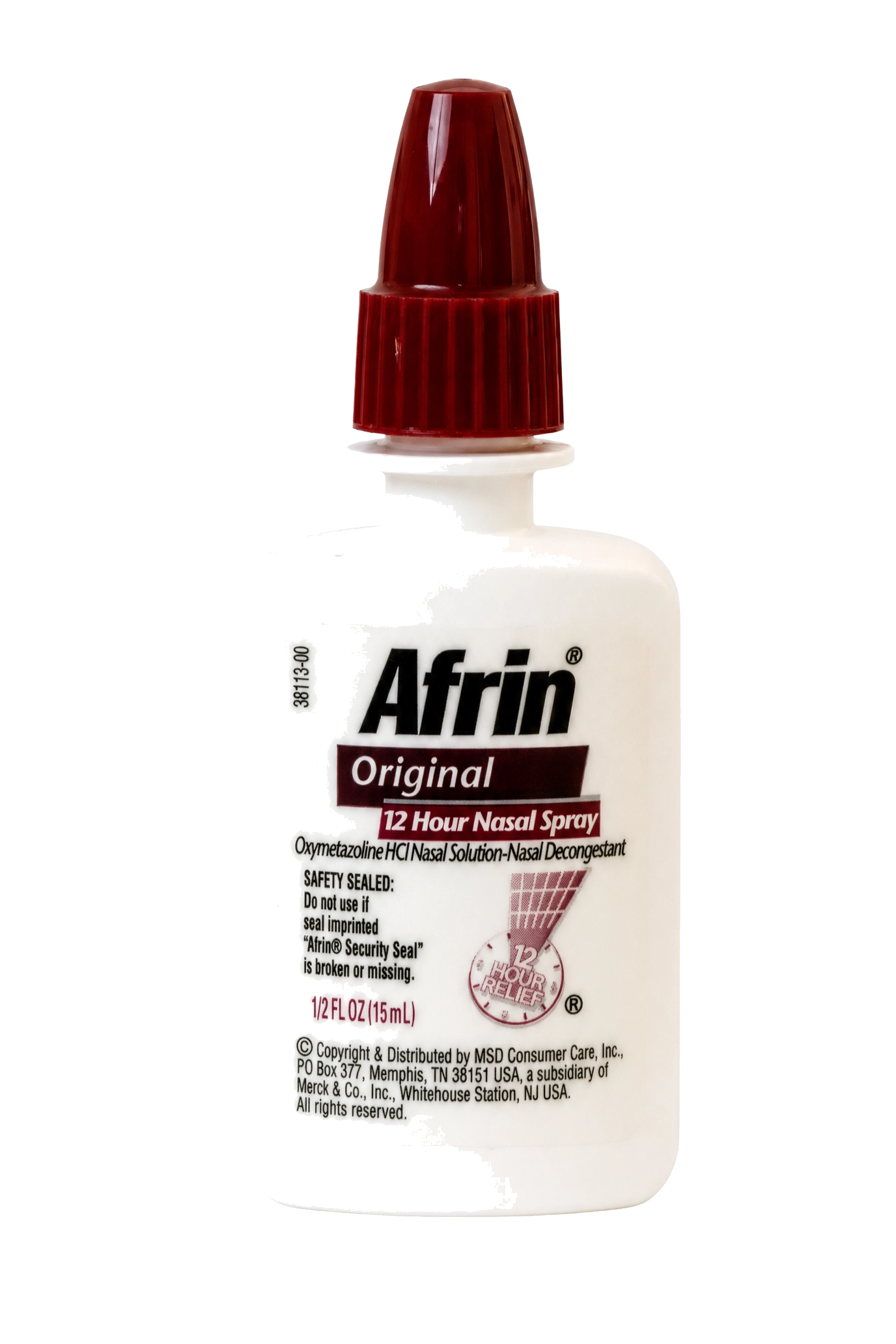
Afrin Original
- Fast congestion relief with alpha-adrenergic decongestant
- Use 3 days max
- Can cause rebound stuffiness
Allermi
- Custom, multi-ingredient spray for your specific symptoms
- Fast & long-term relief
- Prescribed online by allergist
Astepro
- Fast relief with antihistamines
- Bitter aftertaste
- OTC
Atrovent Nasal
- Best for runny nose & post-nasal drip
- Good for non-allergic triggers (humidity, cold air, perfume)
- Prescription strength
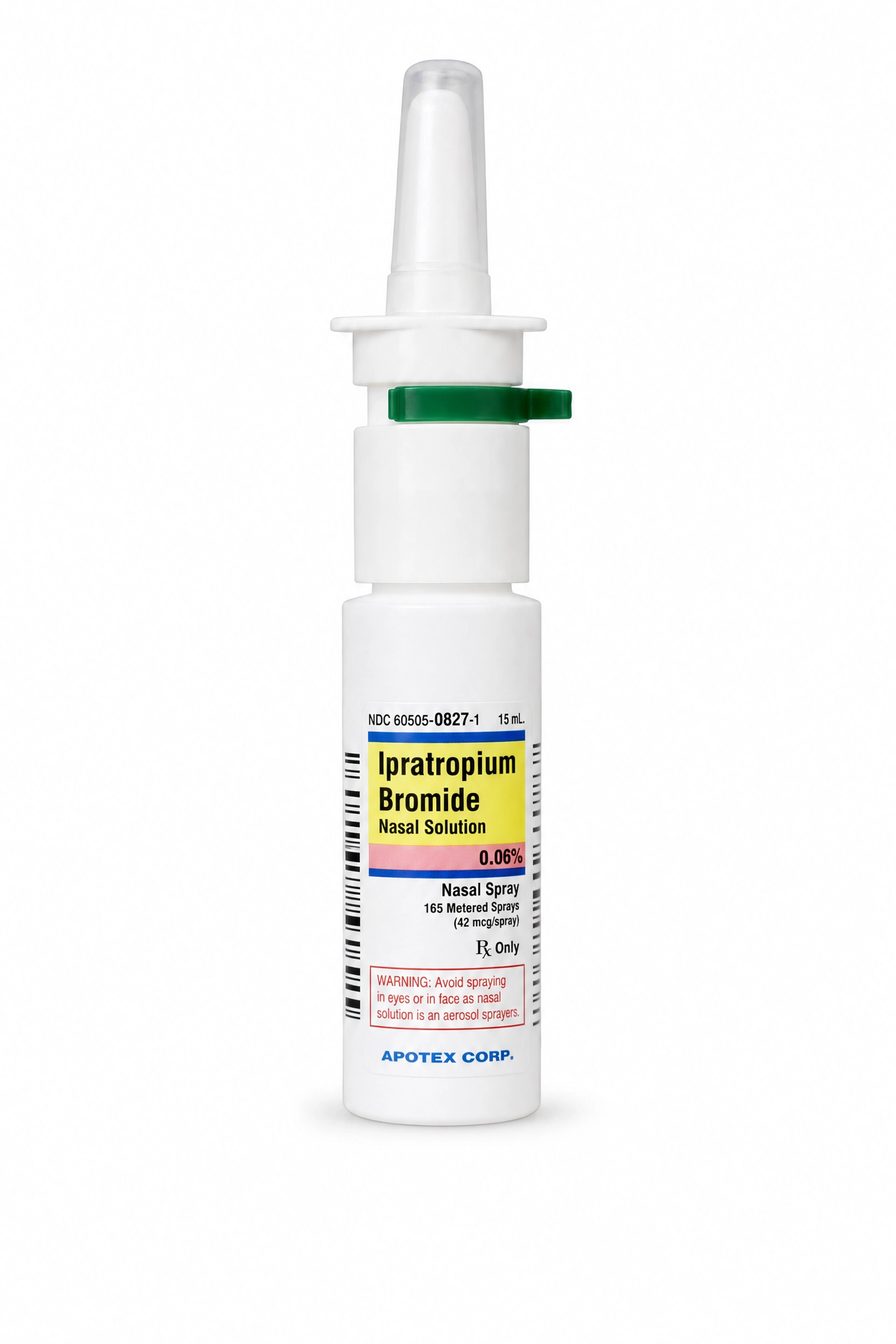
Dymista
- FDA-approved Rx combo spray
- Antihistamine + steroid in one: azelastine 137 mcg + fluticasone propionate 50 mcg
- Faster relief than steroid alone
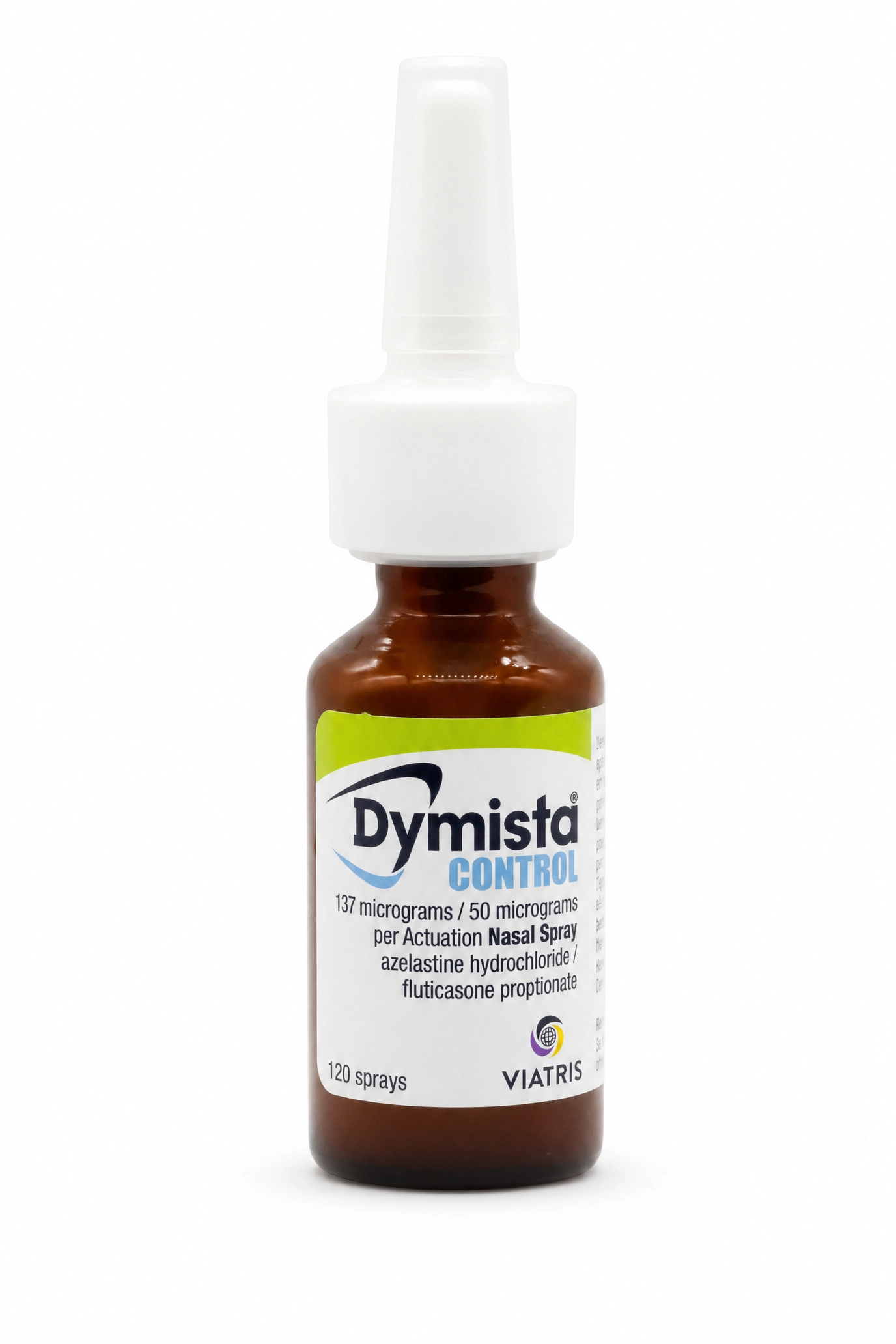
Flonase Allergy Relief
- Reduces inflammation & congestion
- FDA-cleared for treating itchy, watery eyes
- OTC, safe for daily use
Nasacort 24HR
- Reduces inflammation & congestion
- Scent-free, alcohol-free
- OTC, ages 2+
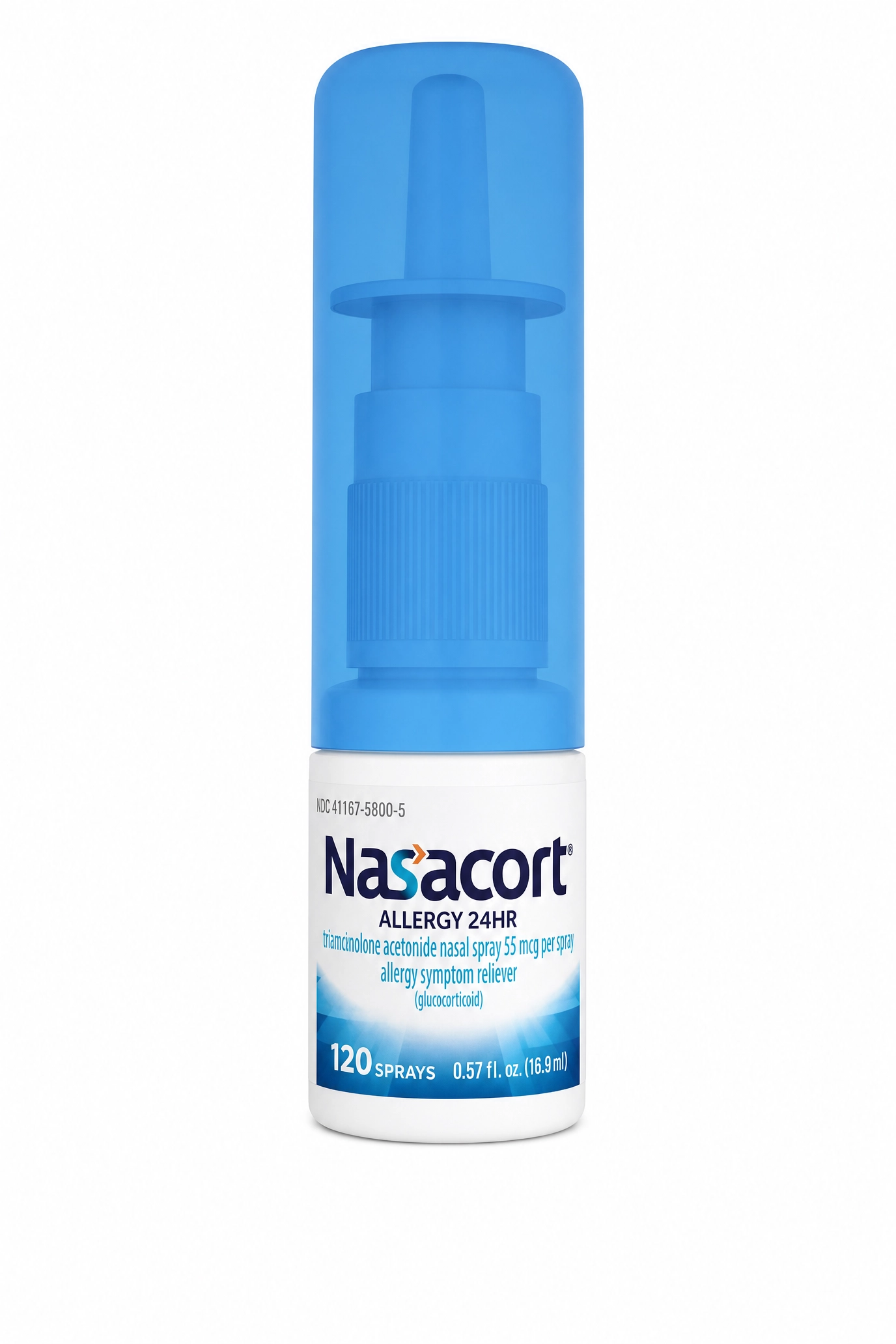
NasalCrom
- Preventative — best started before allergy season
- Needs 4–6x daily dosing
- OTC, pregnancy-safe option
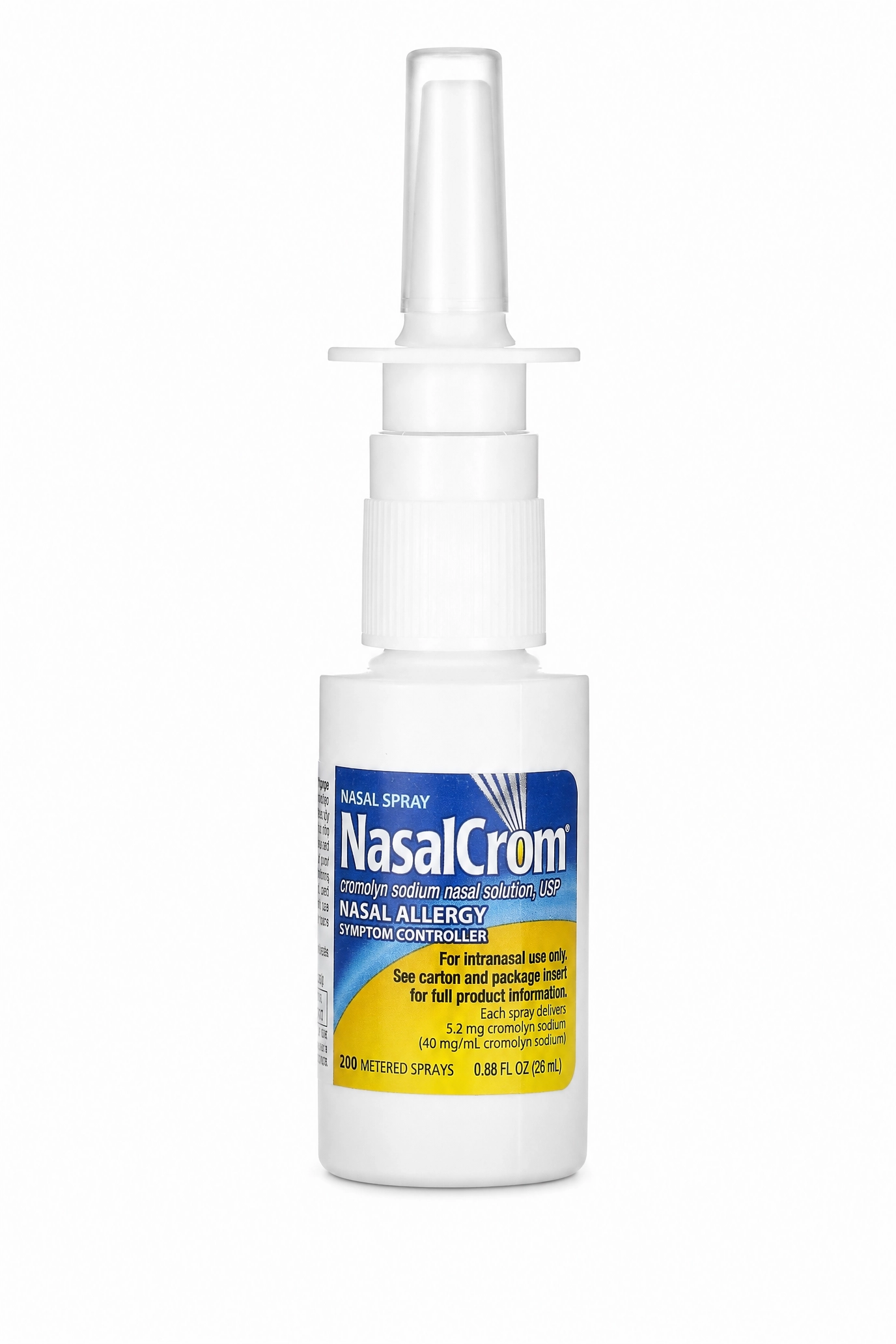
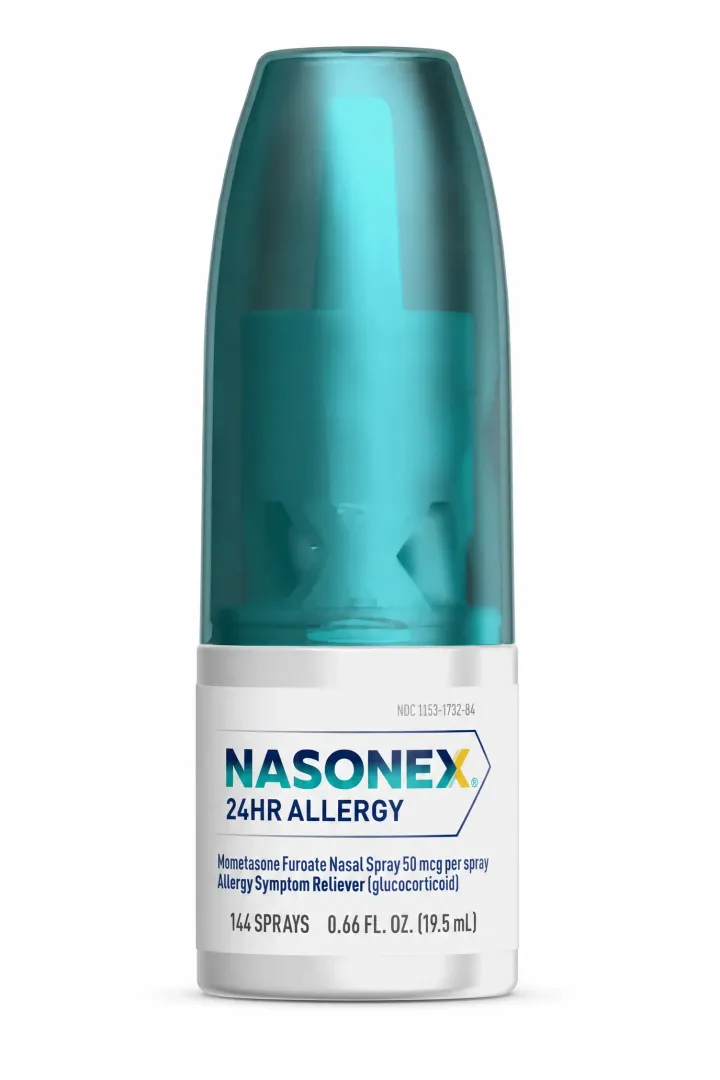
Nasonex 24HR
- Reduces inflammation & congestion
- Lowest systemic absorption
- OTC, once daily, ages 2+
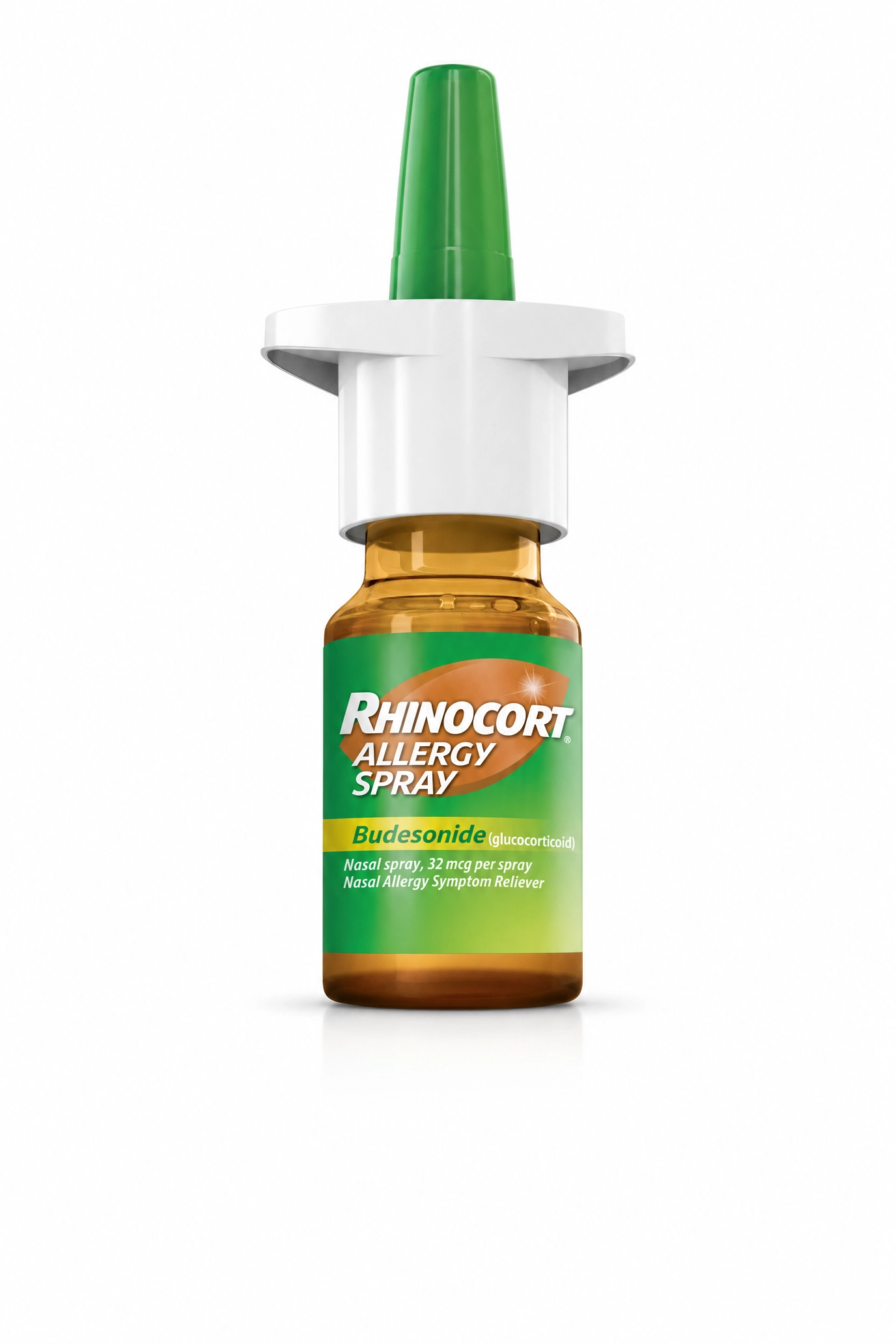
Rhinocort Allergy
- Reduces inflammation & congestion
- OTC, top pick for pregnancy
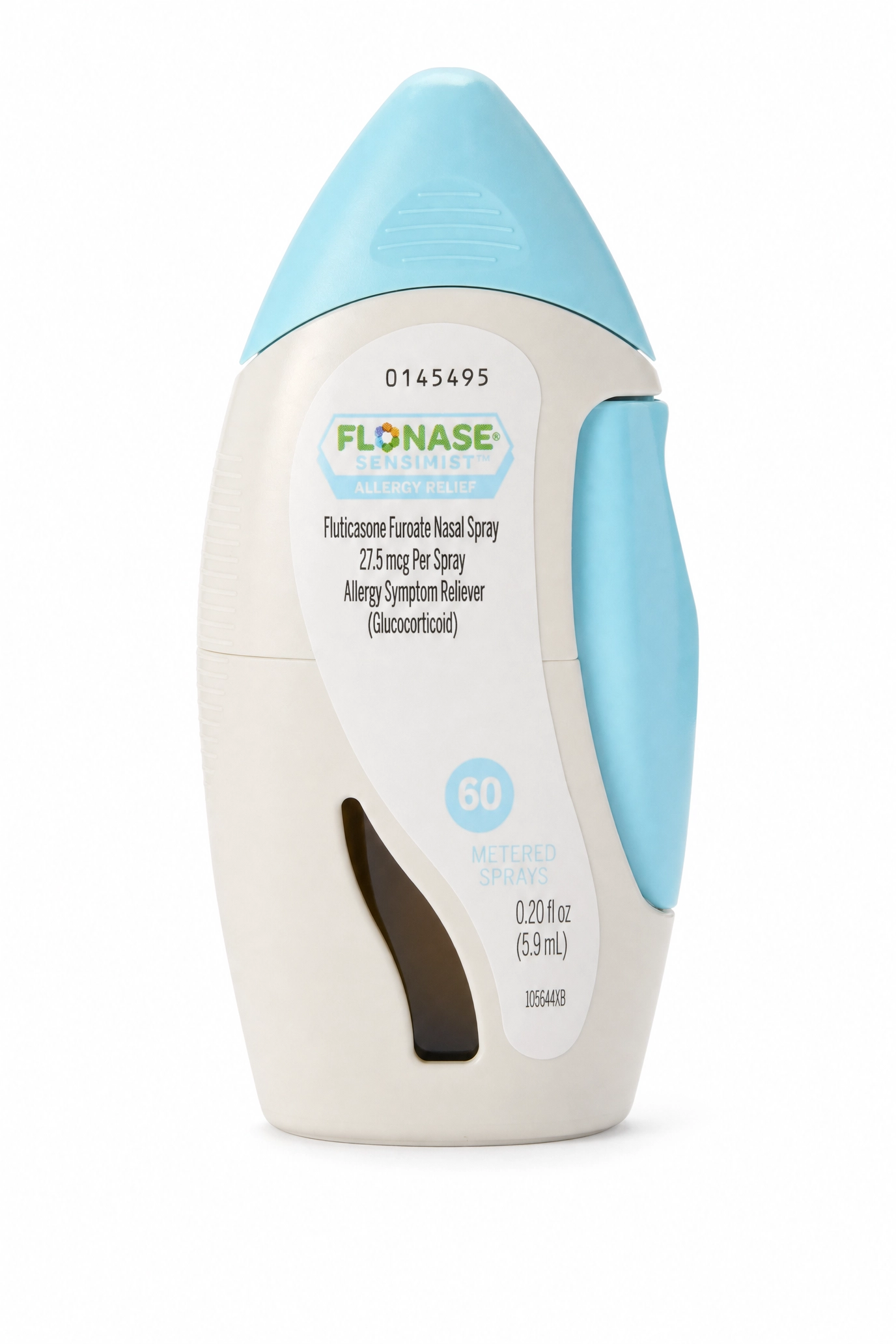
Flonase Sensimist
- Gentlest Flonase formula
- Scent and alcohol free
- Ages 2+
Best Nasal Spray for Congestion, Without the Rebound Risk (2026)
Evidence-tiered picks for nasal congestion. Why INCS work (and don't rebound), why Afrin rebounds in 3 days, and what to do if you're stuck on a decongestant.
Best Nasal Spray for Itchy Nose
Evidence-based picks when itch is the dominant symptom: antihistamine sprays, intranasal steroids, or combination.
Best Nasal Spray for Post-Nasal Drip
Evidence-based picks when drip is the dominant symptom: anticholinergic, steroid, combination.
Best Nasal Spray for Runny Nose
Runny nose picks by cause: allergic (antihistamine or steroid), non-allergic (ipratropium), hormonal (saline).
Nasal Sprays While Breastfeeding: What's Compatible
Compatibility data for intranasal corticosteroids and antihistamines during lactation.
Nasal Sprays for Older Adults: Systemic Exposure and Drug Interactions
Class-level considerations for elderly patients on multiple medications: pick low-systemic INCS; watch technique.
Nasal Sprays for Kids: Ages, Choices, and Growth-Velocity Concerns
Age-approved OTC sprays, pediatric tolerability, and the class-level growth-velocity consideration.
Safe Nasal Sprays in Pregnancy: Trimester Guide (2026)
OB/GYN-reviewed evidence-tiered guide to nasal sprays in pregnancy: Rhinocort first-line, avoid Nasacort, avoid decongestants in trimester 1, saline always safe.
How to Choose the Right Nasal Spray for You
Finding the right nasal spray depends on your symptoms, how often they occur, and whether you need an OTC option or something prescription-strength. It's worth talking to a doctor or allergist, especially if OTC sprays haven't worked for you.
OTC Steroid Sprays
e.g. Flonase, Nasacort
The most commonly recommended first-line option. They reduce inflammation and work well for congestion, sneezing, and runny nose. Effects build over several days of consistent use — not ideal for on-the-spot relief.
OTC Antihistamine Sprays
e.g. Astepro
Work faster than steroid sprays — sometimes within 15 minutes. Good for sneezing, itching, and runny nose, especially when you need relief on demand rather than as a daily preventive.
Prescription & Compounded Sprays
e.g. Allermi
For patients whose symptoms aren't fully controlled by a single OTC spray, prescription options — including personalized compounded formulas — can combine multiple active ingredients in one bottle. These require a prescribing clinician but are now available via telehealth, without an in-person visit.
Factors to Consider When Choosing a Nasal Spray
-
Your symptom profile
Congestion-dominant symptoms respond differently than sneezing- or itch-dominant ones. Match the spray's mechanism to what actually bothers you most.
-
Speed of relief
Antihistamine sprays act faster; steroid sprays work better as a daily preventive. Consider whether you need on-demand or long-term relief.
-
OTC vs. prescription
OTC sprays are a good starting point. If they aren't enough, a telehealth allergist visit can open up more targeted options without a long wait.
-
Age and health history
Some sprays are not suitable for children under 2, pregnant or breastfeeding patients, or people with certain conditions. Always check eligibility before starting.
-
Cost and access
OTC sprays are available everywhere and relatively affordable. Compounded or prescription options vary by state and insurance coverage — factor in both out-of-pocket cost and availability in your state.
-
Long-term use
Most nasal sprays are safe for extended use, but it's worth checking with a clinician if you've been relying on decongestant sprays (like Afrin) daily — those are not meant for long-term use and can cause rebound congestion.
-
Doctor's guidance
If your symptoms are severe, year-round, or not responding to OTC options, an allergist can help identify the underlying cause and recommend a more targeted treatment plan.
Clinical guides
How-to protocols, recovery, technique.
Are Compounded Nasal Sprays Real Medicine? Yes — and Here's the Regulation
Compounded nasal sprays under FDCA Section 503A are legitimate medicine. Each active is FDA-approved on-label; the combination is regulated by state pharmacy boards and the FDA.
GuideAre Nasal Antihistamines a Substitute for Steroids? No — They're Complementary
Intranasal antihistamines (azelastine, olopatadine) are NOT substitutes for nasal steroids. They're complementary. Combination therapy outperforms either alone in RCT data.
GuideDoes Saline Rinse Actually Work? Yes — But Modestly
Cochrane reviews and RCTs show high-volume isotonic saline irrigation provides modest but real symptom improvement in allergic rhinitis and chronic rhinosinusitis.
GuideHow to Use a Nasal Spray Correctly: 9-Step Technique Guide
Pharmacist-written step-by-step technique for using OTC or Rx nasal sprays: no nosebleeds, minimal bitter taste, no wasted dose.
GuideIs Afrin 'Addiction' Overblown? It's Tachyphylaxis, Not Addiction
Afrin dependency is a real pharmacologic phenomenon — but it's tachyphylaxis, not psychological addiction. Most users taper off in 7–14 days with a steroid bridge.
GuideIs Rebound Congestion a Myth? No — Here's the Evidence
Rebound congestion (rhinitis medicamentosa) is real, well-documented, and limited to alpha-adrenergic decongestants. Steroids and antihistamines do not cause it.
GuideHow to Stop Afrin: A 14-Day Rhinitis Medicamentosa Recovery Plan
Evidence-based 14-day plan to get off Afrin (oxymetazoline) and reverse rebound congestion, using intranasal fluticasone per Vaidyanathan 2010 RCT.
GuideShould You Use Intranasal Steroids Long-Term? Yes — Here's Why
Daily intranasal steroids are supported by 20+ years of RCT and cohort data. Growth-velocity and HPA axis concerns are molecule- and dose-specific.
GuideWill Compounded Combos Replace OTC Nasal Spray Stacks?
For patients needing 3+ active ingredients who qualify for telehealth Rx, yes. For well-controlled OTC users, no. Disclosure: BestAllergyNasalSprays recommends Allermi.
Head-to-head Comparison
We compare them so you can choose with confidence.
Astepro vs Dymista: OTC Antihistamine vs Rx Combo
Standalone azelastine OTC vs Rx azelastine-plus-fluticasone combo: when does adding the steroid matter?
CompareFlonase vs Astepro: Steroid vs Antihistamine, 2026 Head-to-Head
Fluticasone propionate vs azelastine: onset speed, symptom coverage, side-effect profiles, cost, and when to stack them.
CompareFlonase vs Dymista: Steroid Alone vs Rx Combo
OTC fluticasone vs Rx azelastine+fluticasone: is the combo worth an Rx for your symptoms?
CompareFlonase vs Nasacort: 2026 Head-to-Head
Evidence-tiered comparison of fluticasone propionate vs triamcinolone acetonide: pharmacology, onset, eye symptoms, pregnancy, pediatrics, cost, and safety.
CompareFlonase vs Nasonex: Two OTC Intranasal Corticosteroids
Fluticasone propionate vs mometasone furoate: pharmacology, onset, systemic exposure, pregnancy.
CompareFlonase vs Rhinocort: Pregnancy and Daily Use
Fluticasone propionate vs budesonide: why Rhinocort is pregnancy first-line and what to pick outside pregnancy.
CompareFlonase vs Sensimist: Propionate vs Furoate
Two fluticasone-based OTC nasal sprays: which molecule, which age group, and which is gentler?
CompareNasacort vs Astepro: Steroid vs Antihistamine
OTC intranasal steroid vs OTC intranasal antihistamine: mechanism, onset, side effects, and stacking.
CompareNasacort vs Nasonex: Triamcinolone vs Mometasone
Two OTC intranasal corticosteroids: systemic exposure, pregnancy, pediatrics, and tolerability.
CompareNasacort vs Rhinocort: For Pregnancy or Kids
Triamcinolone vs budesonide: why Rhinocort wins pregnancy and where Nasacort still fits.
CompareRhinocort vs Nasonex: Budesonide vs Mometasone
Two OTC intranasal corticosteroids with excellent systemic-exposure profiles: pregnancy tiebreaker.
CompareSensimist vs Nasonex: Two Gentle OTC Steroids
Fluticasone furoate vs mometasone furoate: both scent-free, both low-systemic, both 2+.
What's new
Recently updated
Claim refreshes, safety-signal updates, and new evidence logged by the editorial team.
- ReviewAfrin (oxymetazoline): 2026 ReviewEvidence review refresh
- ReviewAllermi (compounded nasal spray): 2026 ReviewEligibility update: now 13+ in 39 US states (18+ in AK/NM/OR/SC). Pricing updated to $45/mo subscription. Editorial oversight clarified to the BestAllergyNasalSprays team. Reviewer bylines moved to editorial-team framing.
- ReviewAstepro (azelastine HCl 0.15%): 2026 ReviewEvidence review refresh
- ReviewIpratropium Bromide Nasal Spray (formerly Atrovent): 2026 ReviewEvidence review refresh
- ReviewDymista (azelastine + fluticasone): 2026 ReviewEvidence review refresh
- ReviewNasacort 24HR (triamcinolone acetonide): 2026 ReviewEvidence review refresh
How we label evidence
Methodology preview
How we label evidence
Every claim on every page is tagged with one of six tiers and linked back to its primary source. The pills below show what you'll see inline.
- Pooled data across multiple RCTs. Highest confidence for efficacy claims.
- Randomized controlled trial. Experimental evidence for one intervention.
- Consensus recommendation from a medical society (AAAAI, ACAAI, CDC).
- Pharmacology confirmed in the drug prescribing information / SPL.
- Real-world observational study, larger but less controlled than RCT.
- Clinician opinion or narrative review, useful but lowest confidence.